
Container security
Full visibility, smarter workflows, stronger container security
Invicti integrates container scanning with SCA, DAST, and CI/CD workflows so you can track vulnerabilities across registries and clusters, cut through complexity, and prioritize container risk in one unified view.
5000+ Top Organizations Trust Invicti


The problem with legacy container security
Containers power modern apps, but legacy scanning leaves teams blind to what’s inside, bogged down in complexity, and chasing noise. Critical risks slip through while time gets wasted.

Hidden risks
Web app vulnerabilities and open-source flaws often get buried within container images. Frequent updates and redeployments make it hard to know what’s exploitable.

Manual processes
Registries, Kubernetes clusters, and fast-changing deployments make container environments highly complex. Ad hoc scans and spreadsheet tracking can’t keep up.

No prioritization
Traditional container scanning produces static SCA lists. But without correlation to runtime exploitability and risk posture, teams waste cycles fixing low-priority issues.
eliminate blind spots
Complete container visibility
Invicti correlates container vulnerabilities with your entire AppSec program so you can focus on what matters most.

automate at scale
Simplified scanning
Invicti streamlines container testing so you can cover dynamic environments without slowing development.

see it all in one view
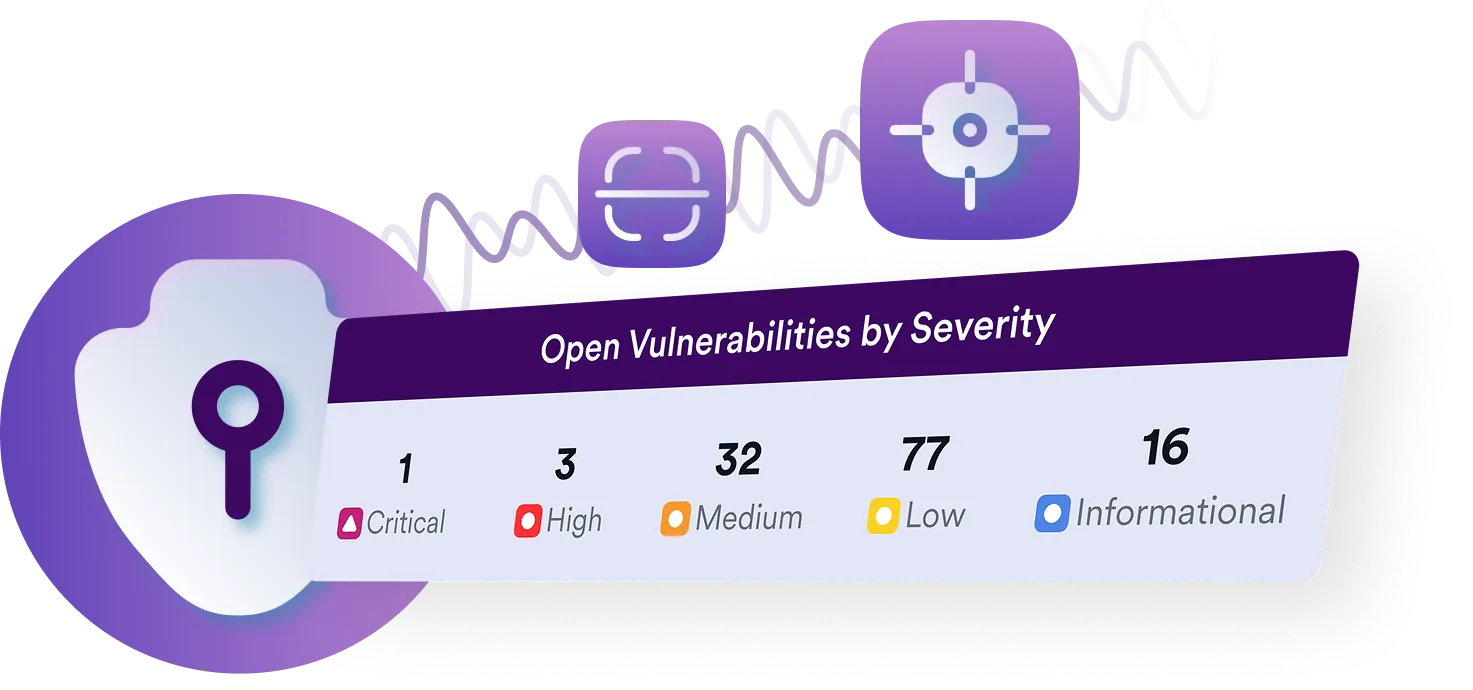
Unified risk posture for containers
Invicti correlates container vulnerabilities with your entire AppSec program so you can focus on what matters most.

Whats customers say

“For more websites, we now don’t need to go externally for security testing. We can fire up Invicti, run the tests as often as we like, view the scan results, and mitigate to our hearts’ content. As a result, the budget we were spending every year on penetration testing decreased by approximately 60% almost immediately and went down even more the following year, to about 20% of our initial spending.”
- Brian Brackenborough | CISO, Channel 4

“Invicti detected web vulnerabilities that other solutions did not. It is easy to use and set up...”
- Henk-Jan Angerman | Founder, SECWATCH

“I had the opportunity to compare expertise reports with Invicti ones. Invicti was better, finding more breaches.”
- Andy Gambles | Senior Analyst, OECD

“Invicti is the best web application security scanner in terms of price-benefit balance. It is a very stable software, faster than the previous tool we were using and it is relatively free of false positives, which is exactly what we were looking for.”
- Harald Nandke | Principal Consultant, Unify (now Mitel)
Frequently asked container security questions
Can container security scans be automated in CI/CD pipelines?
Yes. Invicti can integrate container security scanning into CI/CD workflows so images are checked automatically as part of the software delivery process. Teams can apply configurable policies and security gates, including thresholds that can prevent builds from progressing when defined risk criteria are met. Findings can also be routed into existing developer and remediation workflows.
What does Invicti scan for in container images?
Invicti helps identify vulnerable open-source components, security misconfigurations, exposed secrets, and other risks in container images. Container findings can be normalized and correlated with findings from other application security testing methods, helping teams understand container risk in the context of the applications they support.
How does container scanning work with DAST?
Container scanning and DAST examine different layers of application risk. Container scanning identifies risks within container images and their components, while DAST tests running applications and APIs for vulnerabilities that are observable and exploitable at runtime. Invicti brings these findings together to provide additional context for prioritization and remediation.
Can Invicti generate SBOMs for containers?
Yes. Invicti supports generating and scanning container SBOMs in standard formats including CycloneDX and SPDX. SBOMs provide an inventory of software components that can help teams identify affected applications, monitor newly disclosed component vulnerabilities, support software supply chain security, and meet governance and compliance requirements.
Does Invicti support container scanning through APIs and automation?
Yes. Invicti provides API access and integrations that can be used to automate container security workflows. Teams can incorporate scanning into existing development and security processes and route findings to tools such as Jira, GitHub, Slack, and other supported integrations.
Can Invicti support recurring container security scanning?
Yes. Container security scanning can be automated and repeated as images and applications change, helping teams keep pace with frequent builds and deployments. Findings can be centralized, normalized, and prioritized alongside other AppSec results to provide an up-to-date view of application risk.
Can Invicti identify open-source license risks in containers?
Yes. Invicti can identify license information and potential license risks associated with open-source components found in container images, helping teams support software governance and compliance processes.
Does Invicti support Kubernetes environments?
Yes. Invicti supports scanning container images through registries and Kubernetes clusters. Container findings can then be correlated with application security findings and runtime evidence from other Invicti testing capabilities to help teams prioritize risk across containerized applications.




get clarity, remediate faster
See inside every container, cut through complexity, and prioritize what matters.
